
Tulsa Area Pediatric Care: When to Use Virtual Visits, Urgent Care, or ER
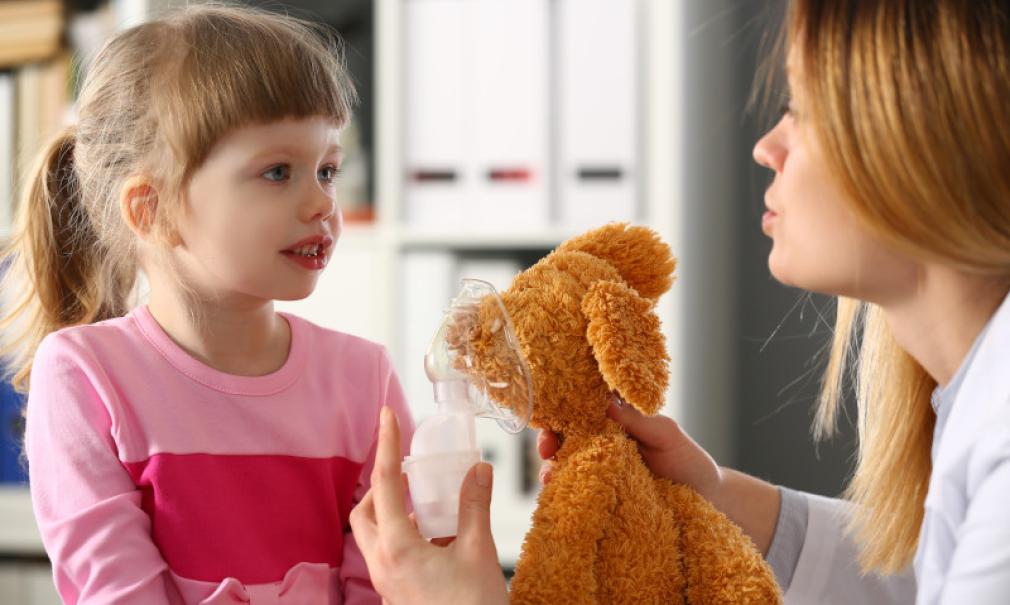
Figuring out exactly what level of medical care your child needs is daunting—it’s especially stressful in the urgent moment your child needs it.
I'm Dr. Jeffrey K Rice, and as a pediatrician with Saint Francis Children’s Hospital, I often answer questions about getting care, from standard checkups to emergencies. Here, we'll go through the kinds of scenarios appropriate for each option, so you can be prepared the next time your child needs a healthcare professional.
When to See Your Doctor in Person
Some conditions require hands-on examination. I would bypass virtual or e-visit and just come in for symptoms that suggest:
- Ear infection
- Pneumonia or respiratory concerns (beyond a mild cough)
- Abdominal or stomach pain
- Fever
Pro tip: Always call your pediatrician first. Most pediatric offices have same-day appointment slots available during business hours, so always try calling your pediatrician first. You can also ask to be on the standby list for earlier appointments in case someone cancels.
When to Use Urgent Care
Warren Clinic Urgent Care has seven walk-in locations in the Tulsa metro, with online scheduling that shows estimated wait times in your MyChart. In the unlikely event you can’t get into your pediatrician’s office the same day, urgent care is a good middle ground for acute issues that aren’t severe enough for the ER.
Urgent Care is Best For:
- A possible broken bone that needs imaging or setting
- An acute illness like strep throat
- Small injuries requiring stitches
- Your child can't keep down water or Pedialyte and you're worried about dehydration
- Symptoms are worsening and need immediate attention
Virtual Urgent Care Options
Virtual urgent care began during the COVID-19 pandemic and remains a valuable option for evening hours or weekends when your pediatrician isn’t available. For example, let’s say you come into my office, and I think your child has strep pharyngitis—I would do the exam, send you to the lab for a test, and I would call you with the results and send an antibiotic if your child tested positive.
With virtual urgent care, it’s essentially the same—the difference is that you don’t have the initial in-person evaluation. Your provider will go off the symptoms you put on a questionnaire and decide if you need to bring your child in for a test. If you do need a test, you’ll bring your child to the nearest lab location and then you’d get the call with results and prescription if needed.
Virtual and e-visits are particularly useful when you’re traveling. You know how your child feels and looks. With any of these visits, if your child needs something more, we can guide you to the right place.
When to Go to the ER
The emergency room is for life-threatening situations or conditions that could rapidly deteriorate. Kids tend to do well, and then suddenly you see an acute change—that’s something that needs to be seen immediately.
The following are situations/symptoms requiring an ER visit:
- Near-fatal accidents
- Drowning incidents
- Respiratory distress (rapid breathing, retractions, difficulty completing sentences)
- Color changes, especially blue discoloration around the mouth or extremities
- Severe vomiting where your child cannot keep down any fluids
- Decreased urination (fewer than three wet diapers in 24 hours for babies)
- Acute, sudden deterioration in your child's condition
- Open wounds or breaks exposing bone or muscle
- Snake bites
Virtual Doctor Visits: Convenient Care from Home
Because young kids tend to be fickle and may struggle to describe their symptoms, most pediatricians (me included) prefer in-person visits first. Sometimes we can tease important information out of our youngest patients.
For older children, virtual visits are perfectly acceptable. For example, your kid has had a cough for a week but no fever or other issues—this is a good situation for a virtual visit.
The key consideration is mild/minimal symptoms and something I can evaluate over the camera, that doesn’t require a physical exam.
Virtual Visits Are Best For:
- Mild symptoms lasting several days without more serious complications like fever
- Follow-up appointments for ongoing conditions
- Consultations about symptoms in older children who can clearly describe what they're experiencing
E-Visits: Quick Assessment with Photos
An e-visit is a service offered through MyChart where a patient can message their provider and attach up to two photos of their injury/area of concern/symptoms.
This is a great option for skin issues like a rash or insect bite you think may be infected—if we need to ask questions or bring you in, we can, as long as you can get a really good photo.
If you’re worried about something, it gives us a good starting point. We’re getting more open to the idea of virtual visits as technology increases and improves.
Quick Decision Guide
Virtual visit or e-visit: Mild symptoms, rashes, minor concerns, follow-ups
In-person pediatrician visit: Conditions requiring physical examination, ear infections, minor respiratory concerns
Urgent care: Non-life-threatening injuries, acute illnesses outside office hours, minor dehydration concerns
Emergency room: Life-threatening situations, severe trauma, respiratory distress, discoloration of any body part, blue discoloration around mouth or extremities, severe dehydration
Final Thoughts
Your parental instincts are your first, best indicator of when to call the pediatrician. I always recommend calling your pediatrician first, most of us have spots where you can get in and be seen the same day.
Whether you’re in the Tulsa metro or traveling, Warren Clinic ensures that care is just a phone call or MyChart message away. We’re here to guide you and your child to the right place for the most appropriate care.