

Heart Valve Disease Used to Mean Open-Heart Surgery. Often, It No Longer Does.
By Tom Hu, D.O.
For patients diagnosed with heart valve disease, the words "you need surgery" once carried a heavy weight — weeks of recovery, significant risk and, for older or more fragile patients, the possibility that surgery wasn't an option at all. That reality has changed significantly. At Saint Francis Heart and Vascular Institute, many valve conditions can now be treated from the inside out, without ever opening the chest.
Treating All Four Valves Without Open-Heart Surgery
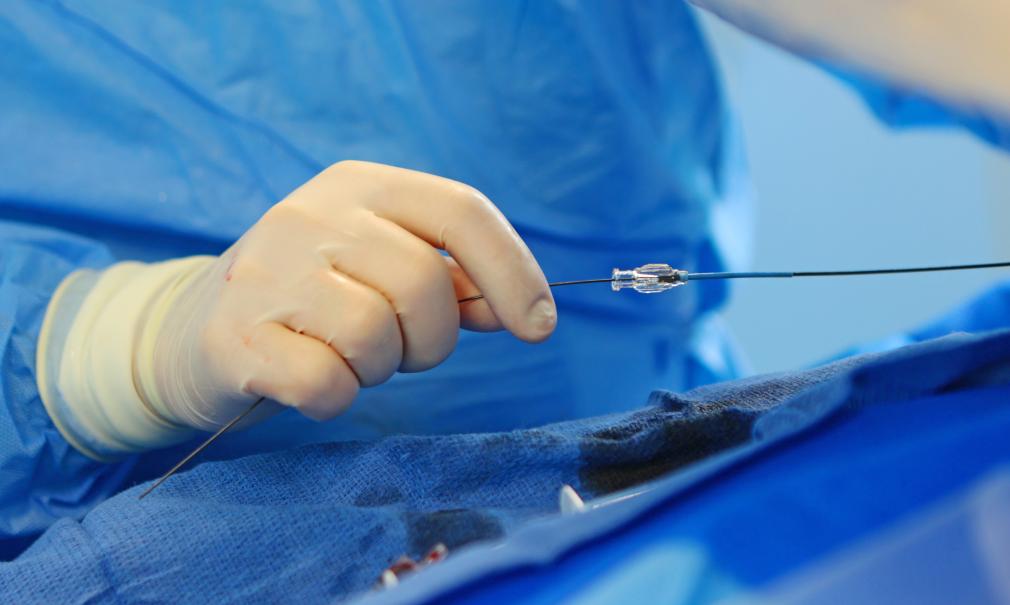
Transcatheter procedures — performed through a small tube inserted into a blood vessel rather than through open incisions — are now available for all four heart valves at Saint Francis. These include:
- TAVR (Transcatheter Aortic Valve Replacement): A minimally invasive replacement for the aortic valve, most commonly used to treat aortic stenosis
- TEER (Transcatheter Edge-to-Edge Repair): A repair technique for mitral and tricuspid valve regurgitation — valves that aren't closing properly and are allowing blood to flow backward
Many of these procedures are performed under conscious or moderate sedation rather than general anesthesia. Most patients are walking the same day. Many go home the next day.
That recovery difference is significant — not just in comfort, but in outcomes and quality of life.
Options for Patients Who Were Once Out of Options
A significant portion of the patients evaluated at Saint Francis are not ideal candidates for open-heart surgery — due to age, other health conditions or prior cardiac procedures. Transcatheter approaches offer these patients a safer pathway to treatment that would otherwise be out of reach.
For the most complex cases, Saint Francis performs advanced techniques including LAMPOON and BASILICA — specialized electrocautery-assisted procedures that allow surgeons to safely modify heart valve leaflets from inside the heart. These techniques make it possible to treat patients who face prohibitive surgical risk through any other approach.
A recent example: a 79-year-old patient with a previously unsuccessful valve replacement underwent a BASILICA procedure followed by a redo transcatheter valve replacement. The result was immediate symptom improvement and discharge the following day.
What This Means for Patients Across Eastern Oklahoma
If you or a loved one has been diagnosed with aortic stenosis, mitral or tricuspid regurgitation, or another structural heart condition — or if you've been told in the past that surgery wasn't an option — it may be worth a conversation with your primary care physician and the cardiologist they refer you to.
Treatment options have advanced considerably. A consultation is the first step toward finding out what's now possible for you.
Don't have a primary care physician? Take our Well Connected quiz to be matched with one.
You can also try our free heart health assessment; an HVI staff member will reach out if your results indicate you need to talk to a specialist.
Relevant Blogs to Read


What Everyone Should Know About Suicide Prevention: Myths, Warning Signs, and How to Help
View Story