

Hip Replacement: An Orthopedic Surgeon Answers 10 Common Questions
By Travis Small, DO
Tulsa Bone & Joint, a part of Warren Clinic
If you've been told you may need a hip replacement, you probably have questions. How is the surgery performed? What type of implant will you receive? How quickly can you walk? And when can you return to the activities you enjoy?
These are some of the most common questions I hear from patients considering hip replacement.
1. How will my surgery be performed?
I perform hip replacements using an anterior approach with a transverse "bikini" incision. This muscle-sparing technique allows me to work between muscles rather than cutting through them.
For good candidates, the anterior approach may offer advantages, including a potentially quicker recovery and a lower risk of dislocation compared with some other approaches. My aim is to minimize disruption to surrounding tissues while providing a stable, well-positioned hip replacement.
2. What type of implant will I receive?
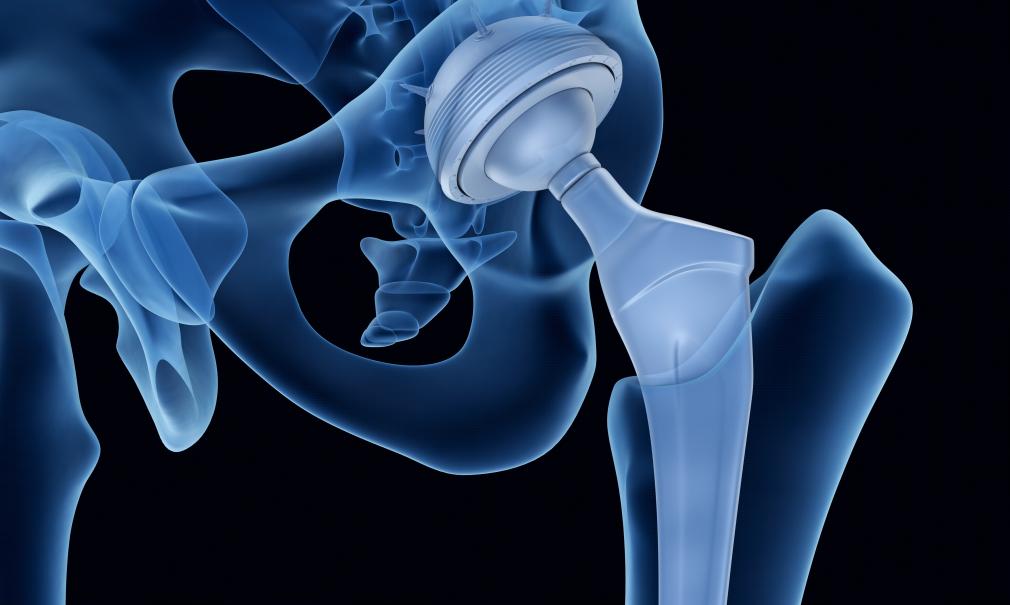
My typical hip replacement consists of a titanium cup (the socket), a highly cross-linked polyethylene liner, a ceramic ball (the femoral head) and a titanium stem that fits into the thigh bone.
There are several reputable implant manufacturers, and I use implants from multiple companies. There isn't one universal "gold standard." The right implant depends on your anatomy, bone quality and individual needs.
For some patients, I may also consider a dual-mobility liner, which can provide additional stability.
3. Will my implant be cemented or uncemented?
For most patients, I use an uncemented implant. Modern stem designs provide initial stability while allowing the bone to grow onto the implant over time.
This generally allows patients to bear weight immediately after surgery. If bone quality isn't adequate for an uncemented implant, cemented fixation remains an option.
4. How much weight can I put on my leg immediately after surgery?
For most patients, full weight-bearing is allowed immediately after surgery.
Many patients work with physical therapy on the day of surgery and may be able to walk about 200 feet and climb stairs before going home. I want to get you safely moving as soon as possible.
5. What hip precautions will I need to follow?
With the anterior approach I use, traditional hip precautions generally aren't required.
Instead, I emphasize movement and swelling control. One of my most important recommendations is to keep ice on the hip as directed and get up and walk regularly, about 100 steps per hour while you're awake during early recovery.
Your specific instructions may vary based on your surgery and overall health.
6. How long will I need a walker or cane?
Most patients use a walker during the first week and then switch to a cane for another two to three weeks, depending on their progress.
The goal isn't to get rid of the assistive device as quickly as possible. It's to use it until you can walk safely and confidently without it.
7. When can I drive?
Many patients can return to driving within two to four weeks. It depends on which leg was operated on, your strength and mobility, whether you're taking pain medication, and whether you can safely control the vehicle.
Please check with me or your surgeon before you get behind the wheel.
8. When can I return to work?
Your timeline depends largely on your job.
If you have a desk job, you may be able to return in two to three weeks. Jobs that involve heavy lifting, climbing, kneeling or other physically demanding tasks generally require a longer recovery, often six to eight weeks.
Your individual recovery and job requirements will determine when it's right to return.
9. When can I exercise, golf, swim or ride a bike?
Hip replacement isn't simply about relieving pain. It's about helping you get back to living your life.
Walking begins immediately, and activity increases gradually as you recover. Many patients can return to swimming, cycling and golf in about four to six weeks, as long as the incision has completely healed and recovery is going well.
More intense activities, including running, jumping and skiing, may require eight weeks or longer. We'll talk through those together as you recover.
10. What symptoms should make me call my surgeon?
Complications after hip replacement are uncommon in healthy patients who are good candidates for surgery. Still, it's important to know the warning signs. The two significant complications I watch for after joint replacement are blood clots and infection.
Call 911 if you experience:
- Chest pain
- Shortness of breath
Call our office (or your surgeon's office) if you experience:
- Pain, swelling or tenderness in your lower leg/calf
- Fever
- Increasing redness or warmth around the incision
- Significant, increased drainage from the incision (a small amount is normal)
- Other symptoms that are new or seem unusual
Letting your care team know when something doesn't seem right is an important part of a safe recovery.
Getting you back to your life
Hip replacement can be a big decision, but many patients are surprised by how quickly they can begin moving after surgery.
My approach focuses on minimizing disruption to surrounding tissues, getting patients safely on their feet and helping them return to the activities that matter to them.
If you're considering hip replacement, ask questions. Understanding the surgical approach, implant, recovery process and expectations can help you feel more prepared. A conversation with an orthopedic surgeon is the best place to start.
Together, you can decide whether hip replacement is right for you and what your recovery may look like.
Relevant Blogs to Read


What Everyone Should Know About Suicide Prevention: Myths, Warning Signs, and How to Help
View Story