

I Had a Stroke. Now What? A Guide to Recovery from Saint Francis Experts
By Danish Kherani, M.D. and Kara Wright, D.O.
A stroke changes things. Sometimes in big ways, sometimes in ways you’re still figuring out. Whatever your experience, the question most patients and families have in the days and weeks after is the same: what happens now?
Here’s what to expect — and what you can do to move forward.
Recovery Looks Different for Everyone
No two strokes are alike, and no two recoveries are either.
The size and location of the stroke shape everything — how long recovery takes, what deficits may remain, and what kind of rehabilitation will help most.
For a severe stroke, the first six to twelve months are typically when the most significant recovery happens. Progress may slow after that first year, but it doesn’t stop. Slow, steady gains are still gains.
For a minor stroke, recovery may take weeks to months. Either way, the most important thing to know is this: stroke recovery is a marathon, not a sprint.
Rehabilitation Is the Most Important Treatment
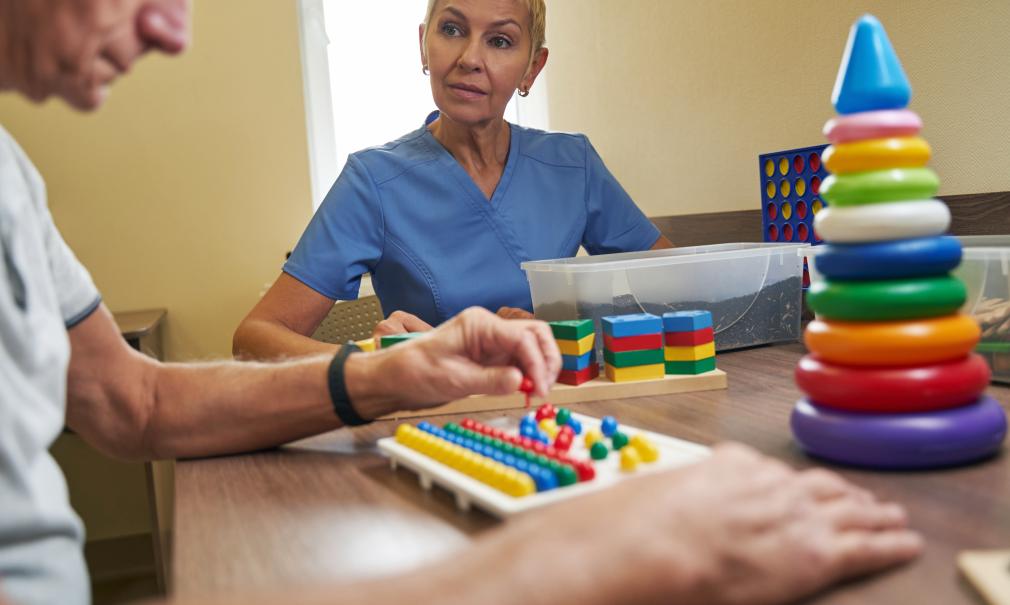
The single biggest factor in functional recovery after stroke is consistent rehabilitation — and it starts sooner than most people expect. At Saint Francis, physical, occupational and speech therapists begin assessing patients within 24 to 48 hours of a stroke.
As much rehabilitation as early as possible helps boost recovery.
Staying active matters too — mobility breeds more mobility, and movement supports both brain and cardiac health long after the initial recovery period.
Preventing Another Stroke
After a stroke, preventing another one becomes a priority.
Key prevention habits include:
→ Taking medications as prescribed — including aspirin, cholesterol medication and blood pressure medication
→ Monitoring blood pressure closely and consistently
→ Managing blood sugar and diabetes medications carefully
→ Staying active and maintaining healthy habits
Your neurology team will also investigate what caused the stroke — checking for atrial fibrillation, clotting disorders, and other underlying conditions that may not have been on your radar before.
Adjusting to a New Normal
Sometimes the hardest part of stroke recovery isn’t physical — it’s mental. Life may look different now. Accepting that, while also recognizing that “different” doesn’t have to mean worse, is one of the most important shifts a stroke survivor can make.
Focus on small daily gains. Celebrate progress, even when it feels slow. Lean on your support system — family, friends, faith community — to help you find purpose and momentum.
And consider sharing your story. Stroke survivors who share what they’ve been through often become an inspiration to others walking the same road.
Saint Francis Is with You Every Step
From the moment of a stroke through the long road of recovery, Saint Francis Health System’s certified stroke centers and rehabilitation teams are here to help.
You don’t have to figure out what comes next alone.
If you (or a loved one) are recovering from a stroke, talk to your care team about your rehabilitation plan — and what goals you want to set for the journey ahead.
Relevant Blogs to Read


What Everyone Should Know About Suicide Prevention: Myths, Warning Signs, and How to Help
View Story