

Stroke Response in Tulsa: What B.E.F.A.S.T. Means and Why It Matters
By Danish Kherani, M.D. and Kara Wright, D.O.
Most people picture a stroke as something that happens to older adults with heart problems or high blood pressure. But stroke doesn’t discriminate — and knowing the facts could save your life or someone you love.
What is a Stroke?
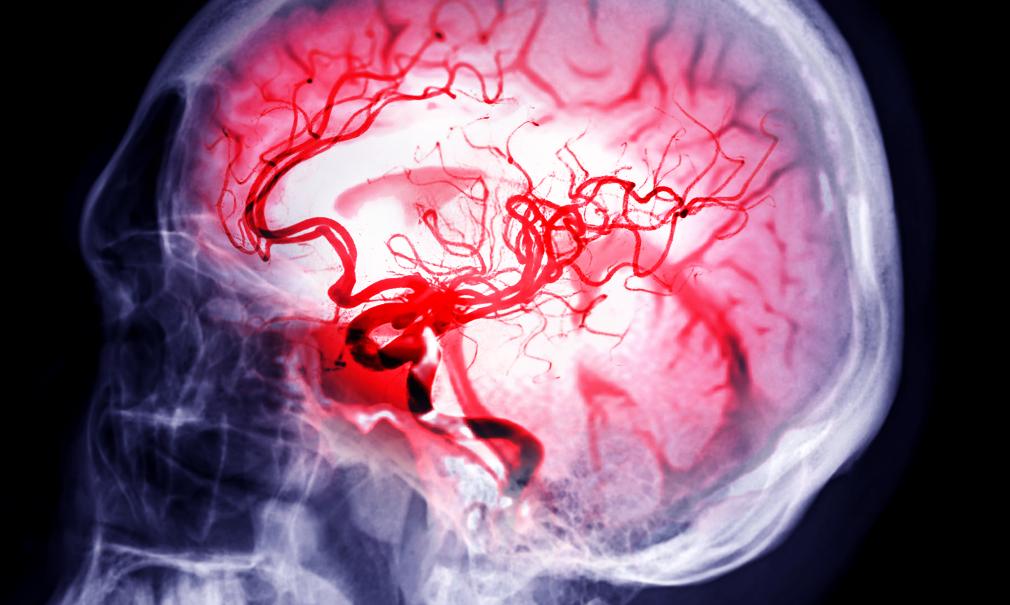
A stroke is a medical emergency caused by either the blockage of blood supply to the brain or a blood vessel rupturing and bleeding in the brain.
Strokes caused by blocked or mostly blocked blood flow (usually a blood clot) are called ischemic strokes; they are most common type of stroke. A stroke caused by bleeding in the brain is a hemorrhagic stroke.
Timing is crucial for either type of stroke because:
- An ischemic stroke means brain tissue is deprived of oxygen and nutrients, causing damage
- A hemorrhagic stroke means blood causing increased pressure on brain cells, damaging or destroying them.
Sometimes a blood clot temporarily blocks a blood vessel to the brain without causing permanent damage. This is known as a Transient Ischemic Attack (TIA) or “mini stroke”.
A person experiencing a mini stroke will notice the same symptoms as a full stroke, but then symptoms will stop suddenly.
Mini strokes are still emergencies that need fast medical attention like any other stroke, particularly because they are often warning signs for a more severe stroke soon.
Not All Strokes Look the Same
Stroke symptoms don’t always announce themselves clearly. Vision changes — especially sudden ones — can go unrecognized entirely.
People experiencing an occipital lobe stroke may notice vision problems – in particular double vision or partial vision loss – and not realize it’s a stroke.
The key word is sudden. Any acute, unexplained change is a reason to act immediately.
Remember B.E.F.A.S.T.
- Balance — sudden loss of balance
- Eyes — sudden vision changes
- Face — facial drooping
- Arms — arm weakness
- Speech — slurred or confused speech
- Time — call 911 immediately. A sudden, severe headache can also be a warning sign.
Stroke Can Affect Young People Too
Stroke is not just an older adult’s condition. In younger people, risk factors can include substance use — particularly stimulants like methamphetamine or cocaine — and undiagnosed clotting disorders.
For young women, hormonal birth control does carry a rare but real associated risk worth being aware of.
Stroke Is More Preventable Than You Think
Monitor your blood pressure, stay active, eat well, and avoid smoking and illicit stimulants – this is sound stroke prevention for anyone, regardless of age or lifestyle.
Key Risk Factors for Stroke
→ High blood pressure: this is the most common risk factor and cause of strokes; monitor your blood pressure regularly and take medication as prescribed by your doctor
→ High Cholesterol: manage cholesterol with a healthy diet and take medication as prescribed by your doctor
→ Diabetes: maintain safe blood sugar levels with diet and medication as prescribed
→ Obesity: diet, exercise and healthy weight maintenance lowers risk
→ Sedentary lifestyle: daily exercise benefits lots of major organ systems in the body, particularly your brain and vascular system (blood vessels)
→ Smoking: smoking increases stroke risk by two to six times compared to non-smokers (according to the National Institutes of Health). Learn about Saint Francis’ smoking cessation support: Support & Resources | Saint Francis Health System.
The goal is to address risk factors early — before a stroke occurs, not after.
At Saint Francis, our certified stroke centers across eastern Oklahoma treated 1,989 confirmed stroke patients in 2025. We’re here around the clock.
If something feels wrong, don’t wait — call 911.
Relevant Blogs to Read


What Everyone Should Know About Suicide Prevention: Myths, Warning Signs, and How to Help
View Story