What I Want My Patients to Know About CTO Procedures

Doctor Kunal Sangal answers common patient questions about a CTO PCI procedure
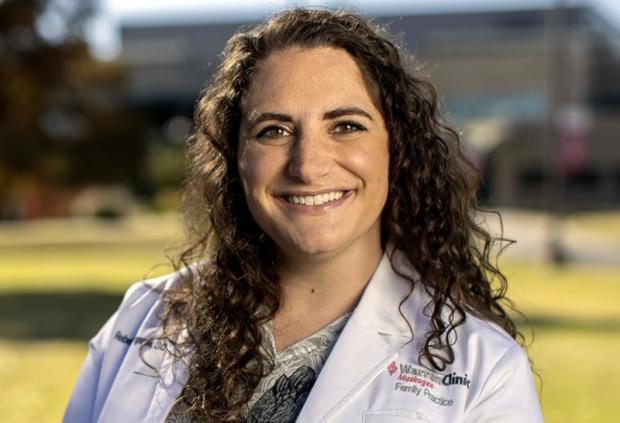
By Kunal Sangal, MD
My job, starting at a patient’s very first clinic visit, is to walk them through what a chronic total occlusion percutaneous coronary intervention (CTO PCI) actually looks like — and more often than not, the reality is a lot more reassuring than they imagined.
What a CTO Procedure Actually Involves
A CTO is a complete blockage in a coronary artery, and historically treatment options were limited: open heart surgery or medication management.
What we can offer now is a percutaneous, minimally invasive approach — no open chest, no general anesthesia. We use light sedation to keep patients calm and relaxed (what we call la-la-land), but they remain aware enough to communicate with us throughout.
We perform these procedures with a specialized team and dedicated equipment. Our cath lab runs efficiently, and our teams work seamlessly together. In many cases, we gather the data we need in as little as 10 to 15 minutes.
The goal isn't always a stent — sometimes the answer is medication, sometimes it's an alternative approach entirely. We start here to figure out what each patient's best path forward truly is.
Who Is a Candidate?
Our CTO patients typically range in age from 40 to 90. Age alone is rarely the determining factor — what matters most is how much each individual patient stands to benefit. That assessment starts with a simple but important question: what is the symptom that's holding you back?
For some patients it's shortness of breath. For others it's fatigue, or chest pain with any kind of exertion. I want to know specifically what they want to do but currently can't. That answer becomes our target — not just opening a vessel, but reclaiming something meaningful in their life.
Quality of Life Is the Goal
One patient of mine said it best: "I want to get back to fishing."
He couldn't carry his gear to the lake anymore; he couldn't make the walk. After a successful CTO procedure, he's back out on the water — carrying his equipment, taking less medication, and feeling like himself again.
That's what this work is really about. I believe that when people are able to live a fuller, higher-quality life, they take better care of themselves — and that combination tends to mean more longevity, too.
We're not just treating a blockage. We're trying to give patients something back.
Why I'm Here
I grew up just down the road from here, did all of my training along the East Coast, and most recently held an academic position before making the decision to come home to Oklahoma. That choice was about more than a homecoming — it was about finding an institution I genuinely believed in.
The Heart and Vascular Institute offers something I value deeply: comprehensive, patient-centered care from the clinic visit through testing and through the procedure itself.
We follow best-in-class guidelines, we leave no stone unturned, and every decision is made with the individual patient at the center. That approach is something I'm proud to be part of every day.
If you're living with symptoms that are keeping you from the things you love, I'd encourage you to start the conversation. The answer might be simpler — and closer to home — than you think.
For more information on Saint Francis Heart and Vascular Institute, click here or call 918-494-6289.