

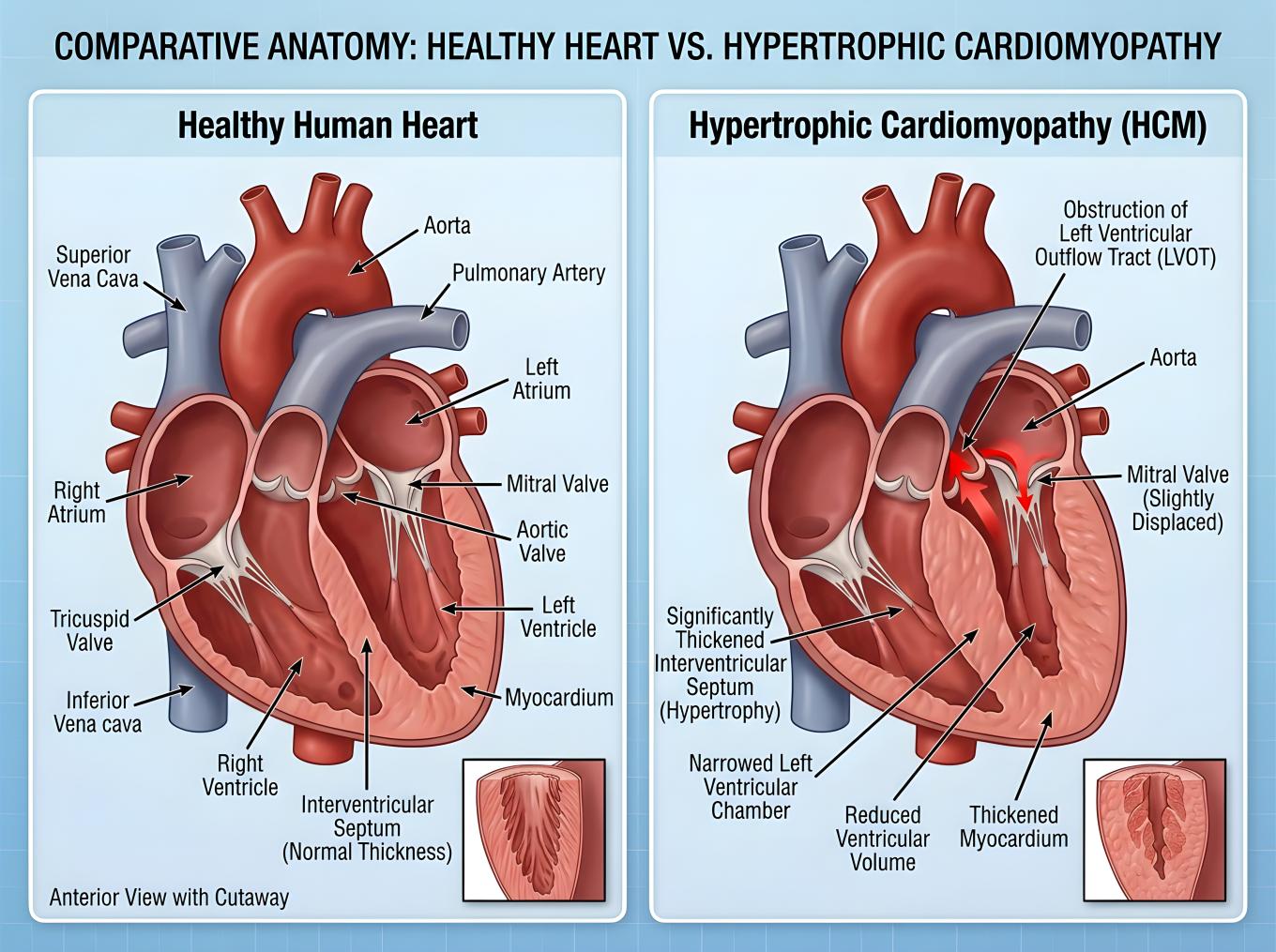
Hypertrophic Cardiomyopathy (HCM) is among the most commonly inherited heart diseases. It occurs when the walls between the heart’s bottom chambers thicken excessively, causing the heart to work harder to pump oxygenated blood to the rest of the body.
HCM is a lifelong condition that can worsen over time; causing life-limiting symptoms and heightened risk of complications and sudden cardiac death.
At Saint Francis Heart and Vascular Institute, our comprehensive heart care starts with an accurate diagnosis and a team of experts helping you navigate the best path forward for your unique needs.
Two Types of HCM
HCM means thicker heart walls no matter what, but obstructive HCM or HOCM is a more advanced type in which blood flow out of the heart is significantly reduced.
Symptoms
- Shortness of breath
- Dizziness or light-headedness
- Chest pain, especially with exertion
- Fainting
- Palpitations or irregular heartbeat (arrhythmia)
- Unexplained fatigue
HCM affects different people in different ways; symptoms for some may be very noticeable and persistent, for others they may come and go. Symptoms can develop at any age and may get worse over time.
Call 911 or go to your nearest emergency room immediately if you have chest pain, trouble breathing, fainting, sudden weakness or numbness on one side, trouble speaking, or symptoms that start suddenly and feel severe.
Diagnosis
If your doctor believes you may have HCM, they may order one or several of the following test(s):
- Electrocardiogram
- Echocardiogram
- Cardiac magnetic resonance imaging (cMRI)
- Genetic testing
Treatment
There is no cure for HCM, but various treatment options are effective for managing symptoms, slowing disease progression, and keeping the heart as healthy as possible.
- Medications: Beta blockers or calcium channel blockers
- New therapy medication: Cardiac myosin inhibitors
- Procedure/Surgery: Septal wall reduction procedures like surgical myectomy or alcohol septal ablation
- Device: Implantable cardioverter-defibrillator for more high-risk patients
HCM and Heart Failure
In patients with HOCM, heart failure symptoms may develop due to thickened heart muscle interfering with adequate oxygen delivery to various tissues. Early and accurate diagnosis is particularly important in these patients, so don’t hesitate to mention these symptoms to your doctor.
Image
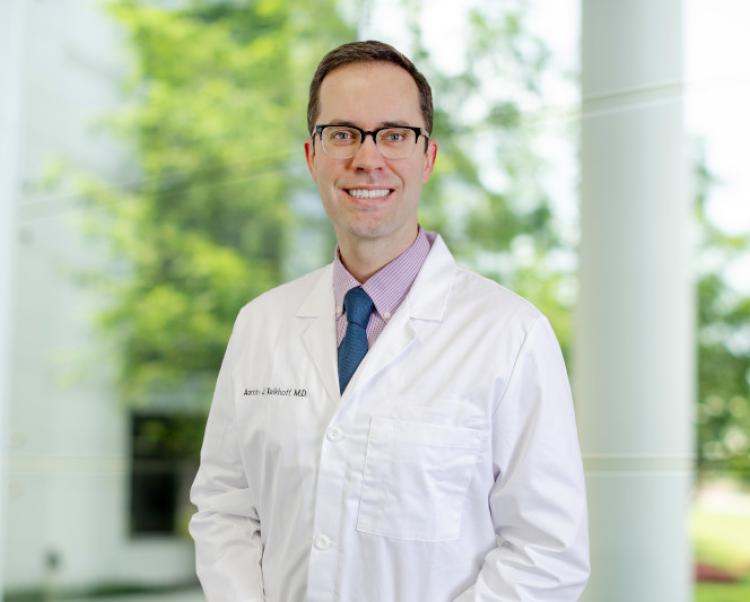
Aaron Jonathan Kelkhoff, MD
Aaron Jonathan Kelkhoff, MD
Dr. Kelkhoff is a board-certified and fellowship-trained non-invasive cardiologist with sub-specialty training in advanced cardiac imaging techniques.
Image
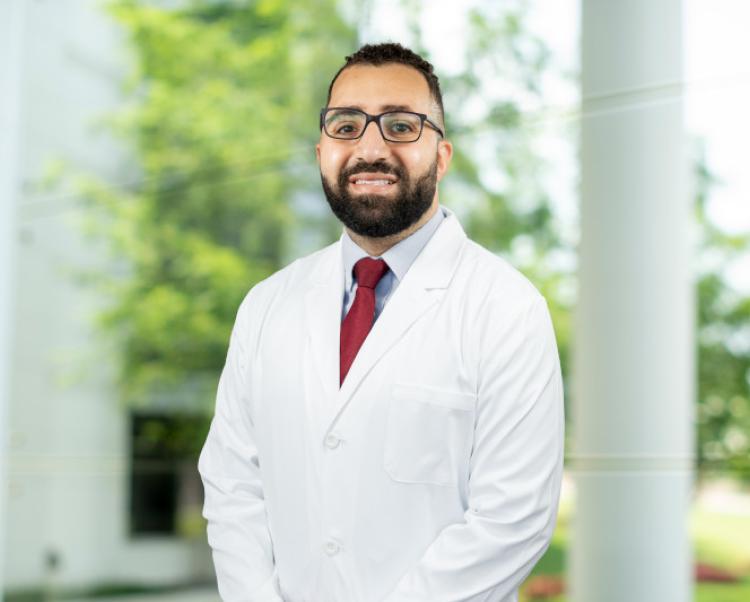
Mohamad Hussien Khattab, DO
Mohamad Hussien Khattab, DO
Mohamad Khattab, D.O. is a leading cardiologist at the Saint Francis Heart and Vascular Institute. Dr. Khattab specializes in providing advanced heart health treatments, including coronary artery disease, cardiac imaging, and preventative cardiology.
Get Care Now
If you think you may have a heart problem, call your primary care provider. If you do not have a primary care physician and you are looking for heart care in Tulsa, call the Well Connected Hotline at 918-488-6688 to find a primary care doctor and schedule an appointment.